



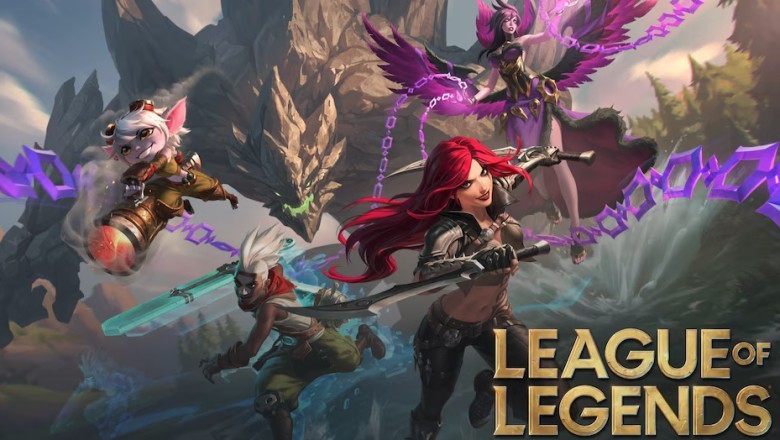
Falling revenue, cosmetic fatigue, and a bold plan to reinvent the iconic MOBA by 2027.
For more than a decade, League of Legends has been one of the most dominant games in the world. With a player base that still exceeds 100 million monthly active users, its popularity remains unquestionable. Yet behind that success, Riot Games is facing a serious problem: the game is no longer generating the revenue it once did.
The most striking detail is that League of Legends now earns less money than Valorant, another Riot title with fewer active players. This unexpected shift has fueled talk of a “crisis” inside the company and across the gaming industry, forcing Riot to publicly acknowledge that its flagship game needs to change.
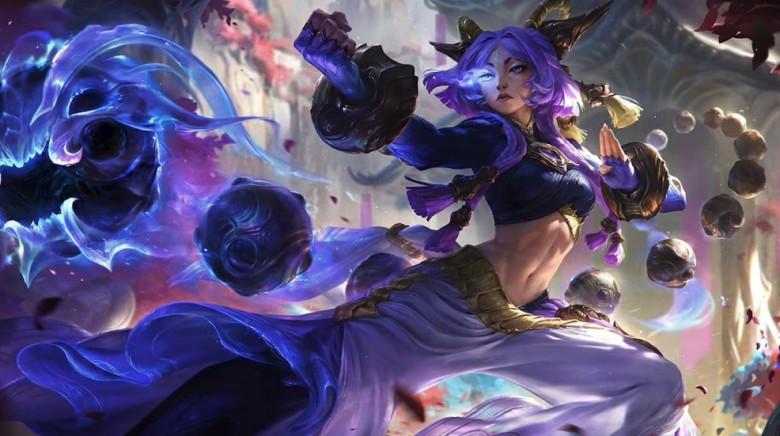
At the heart of the issue is monetization. Riot has admitted that years of giving away cosmetic items and flooding the game with skins has backfired. Veteran players already own extensive collections for their favorite champions, making it harder to convince them to spend money on new content. The result is a clear case of diminishing returns.
According to Riot, while player numbers and development costs have remained stable, revenue has steadily declined, making it difficult to sustain long-term investment. The company has described this imbalance as one of its biggest challenges moving forward.
One example made the situation impossible to ignore. A recent charity skin release, “Panda Lux,” generated just $3 million, the lowest fundraising total for a cosmetic of its kind in Riot’s history. For a game that once set industry records with similar initiatives, the figure was a wake-up call.
Riot believes the community itself has changed. The core audience has grown older, more loyal—but also less willing to spend. With so much content already owned, excitement around new skins has faded, even when tied to charitable causes.
In response, Riot is preparing its most ambitious overhaul yet. Internally known as “League Next,” the project aims to relaunch League of Legends in 2027 with a comprehensive visual redesign and major technical upgrades. This would be the largest transformation since the game first launched in 2009.
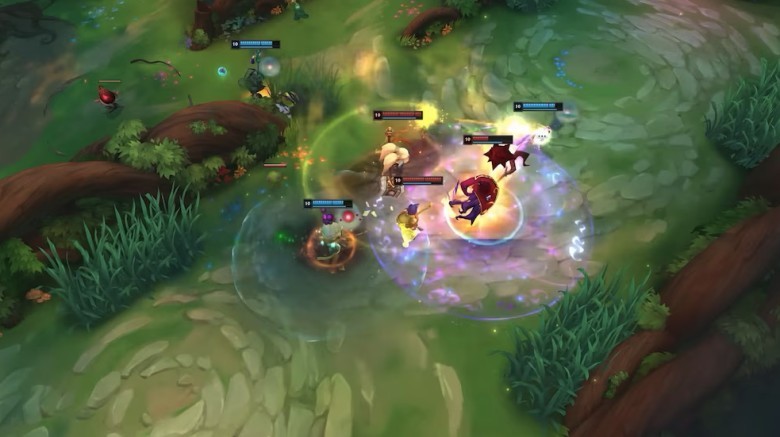
The revamp will touch nearly every aspect of the game, including champion visuals, the user interface, and battle arenas, while also modernizing the underlying technology. A key priority is making the game more welcoming to new players, with simplified controls and a smoother onboarding experience.
Riot’s leadership has made it clear: this reboot isn’t about saving a dying game, but future-proofing a global phenomenon. Whether League Next can reignite spending and attract a new generation of players will define the next chapter of League of Legends.















Comments
0 comment