



From cinema windows to HBO Max’s fate, the potential acquisition raises big questions for Hollywood’s next era.
Netflix’s proposed acquisition of Warner Bros., valued at $72 billion, has ignited a fierce debate about what comes next for movies and television. If Netflix manages to outbid Paramount’s reported $108.4 billion counteroffer, the streaming landscape could look dramatically different within just a couple of years—placing Netflix head-to-head with Disney as a full-fledged Hollywood conglomerate.
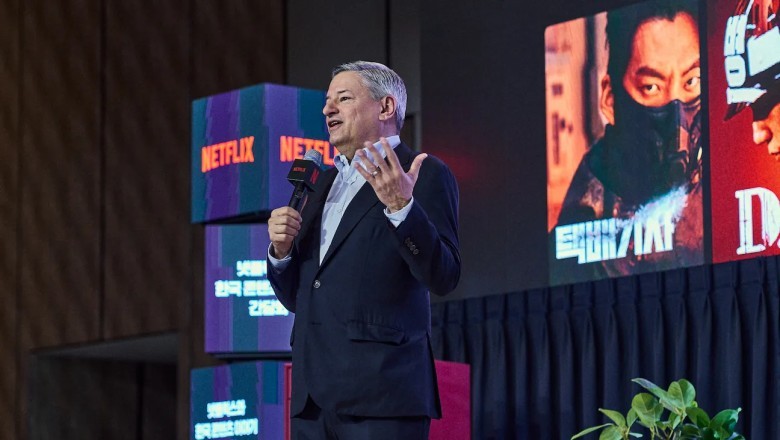
One of the most contentious issues is the future of theatrical releases. Netflix co-CEO Ted Sarandos has long questioned whether long cinema exclusivity truly benefits audiences, arguing that films can have the same cultural impact at home. That stance sparked alarm among theater owners, especially after blockbuster hits like Barbie and Oppenheimer proved the box office still matters. While Sarandos has since insisted that Warner Bros. films would continue to debut in cinemas, the length of theatrical windows remains a sensitive—and unresolved—point.
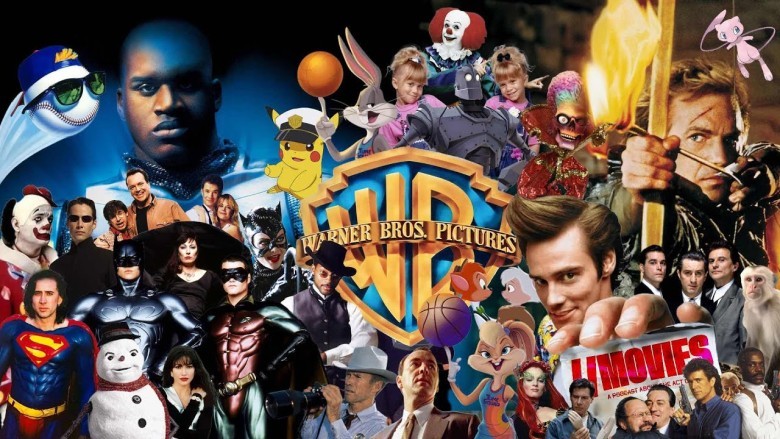
Another major uncertainty surrounds HBO Max. The platform will continue operating independently in the short term, including its planned UK launch in 2026. However, if the deal closes, Warner’s legendary catalog—Game of Thrones, The Sopranos, Harry Potter, and DC titles—could increasingly surface on Netflix as well. Executives have floated the idea of subscription bundles, signaling a future where viewers might choose HBO Max with or without Netflix under one corporate roof.
Looking ahead, the merger could supercharge spin-offs and franchise expansions across film, TV, and even gaming. Netflix leaders have hinted at mining Warner’s vast library for new stories, while DC Studios’ carefully rebuilt roadmap could face pressure from fresh corporate priorities. As for video games, Warner Bros. Games appears to be a lower priority—an unsettling sign for a division behind hits like Hogwarts Legacy. If approved, this deal wouldn’t just change who owns Hollywood—it could redefine how stories are made, released, and experienced.













Comments
0 comment